Make.com
Design System
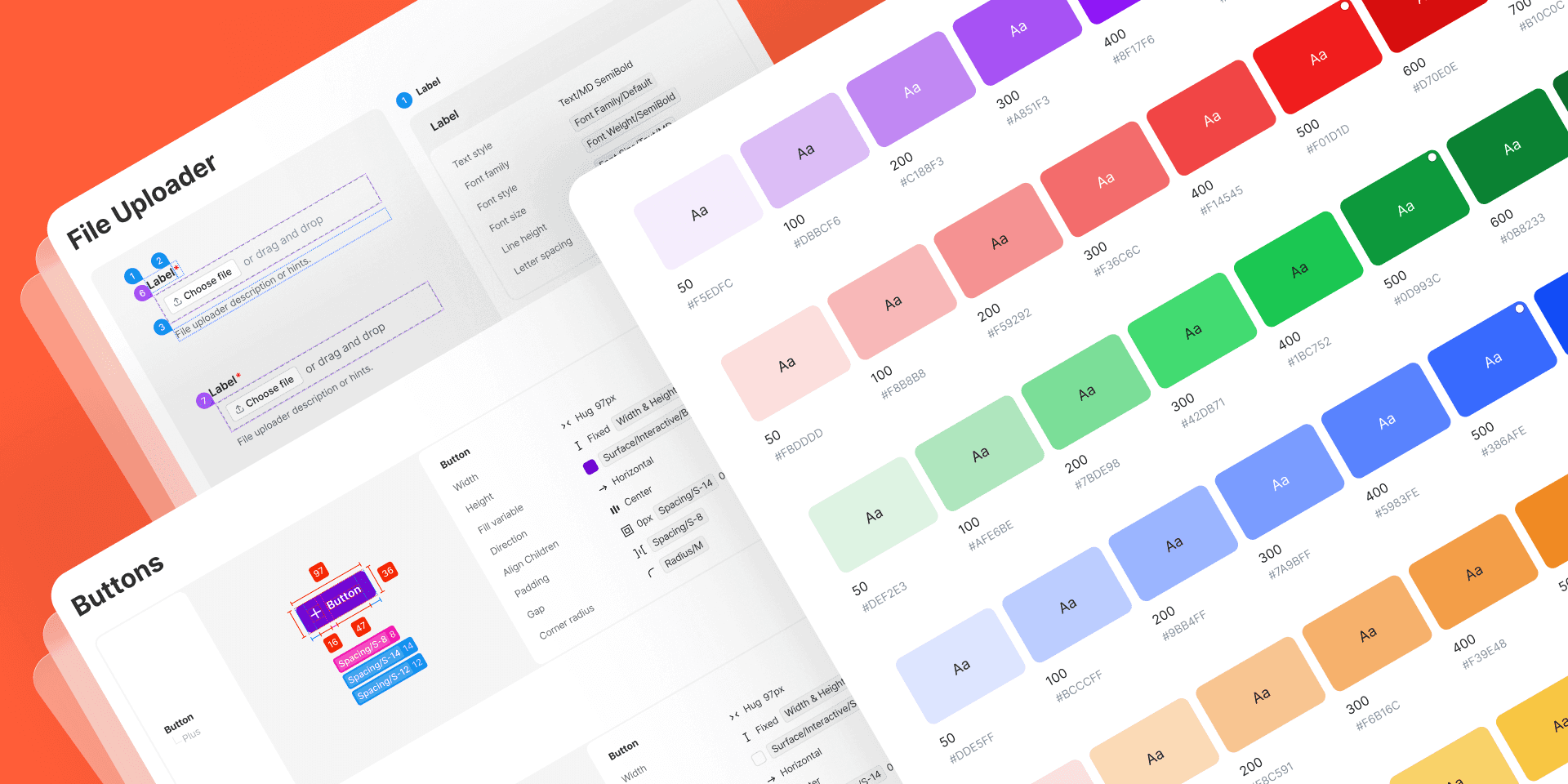
Rebuilding Make’s design system from a fragmented foundation into a scalable product language — and now evolving it into an AI-first system for faster adoption, migration, and documentation. Make’s design system started as a fragmented foundation. Components were inconsistent, tokens lacked structure, and teams were solving the same problems in different ways. My first challenge was to rebuild trust in the system: create a scalable token architecture, modernize core components, improve documentation, and make the system reliable enough for designers and developers to use every day.
Timeline
Timeline
2024 - Current
Role
Role
Design Lead
Team
Team
4 Devs
01
//Challenges
Challenges.
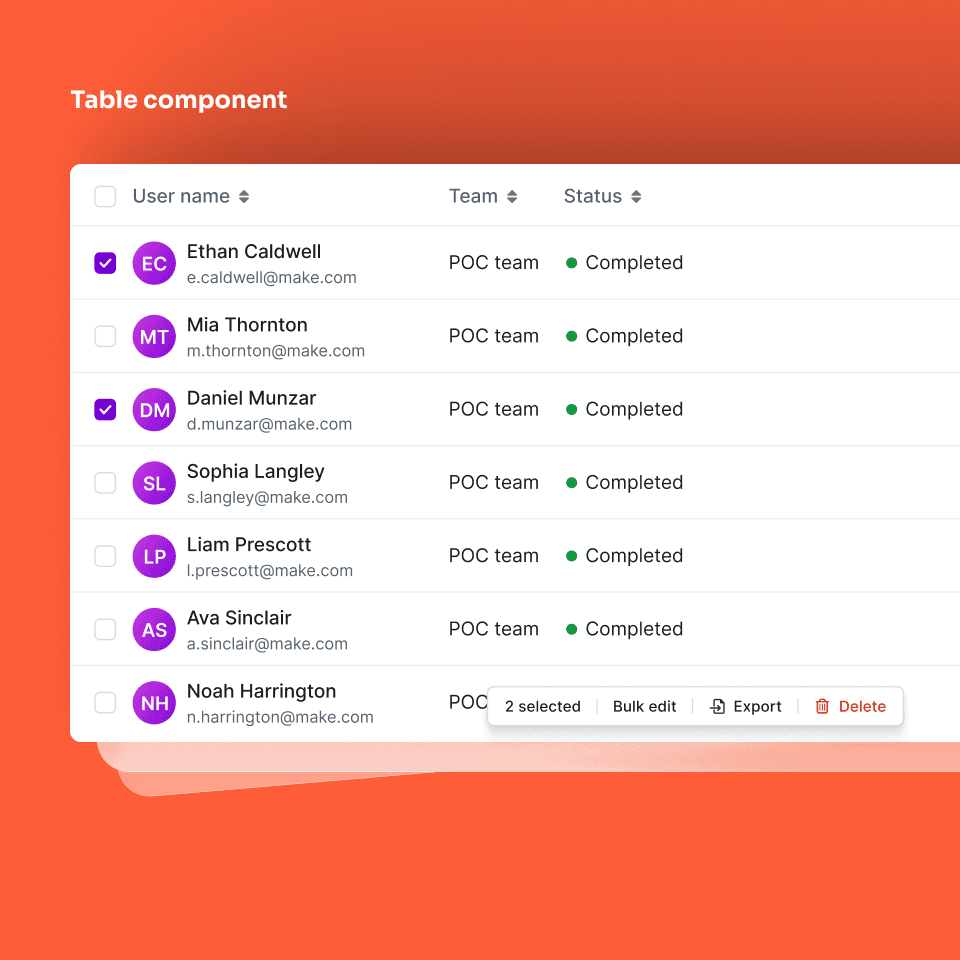
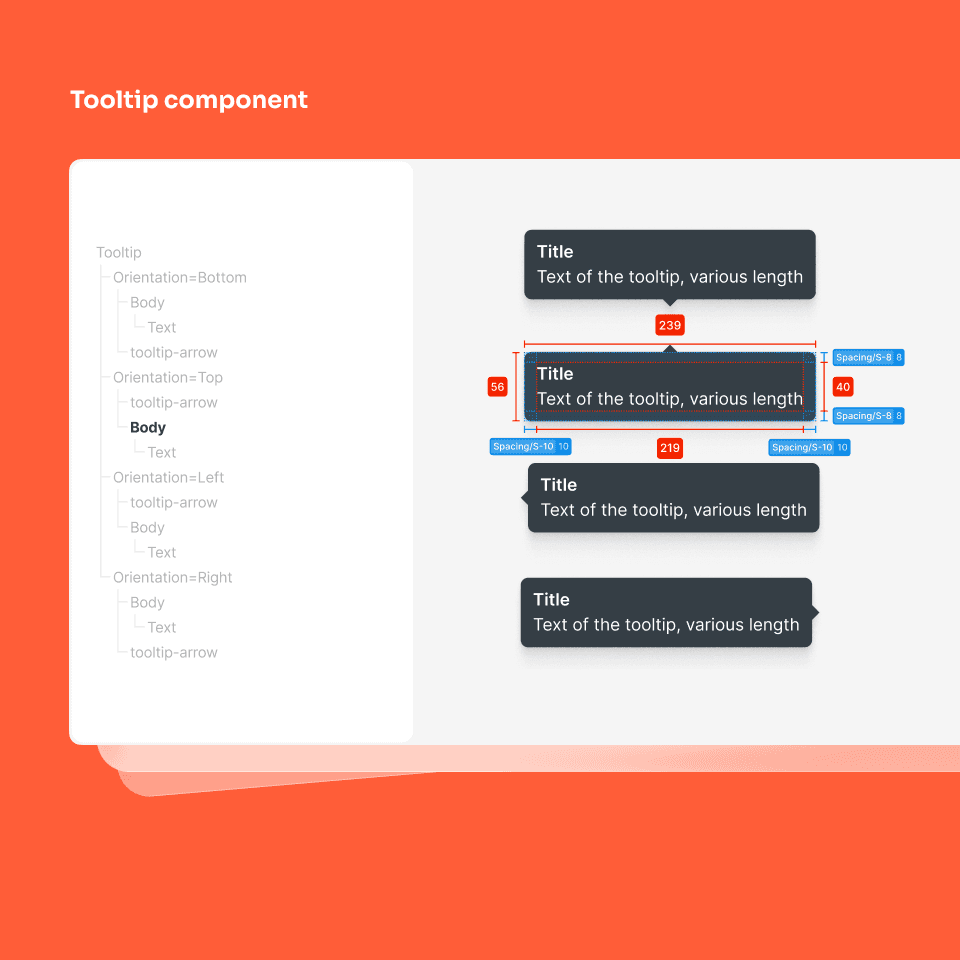
Before the rebuild, the experience was fragmented. Designers were recreating components from scratch, losing hours on patterns that should have been shared across the product. Developers faced the same frustration in code: custom elements, mixed colors, missing accessibility, and unclear guidance around what belonged in the system. There was no shared roadmap, no clear ownership, and no reliable source of truth. The existing design system felt outdated and disconnected from what Make had become.
In the end, users felt that inconsistency every day — across flows, surfaces, and product teams.
02
//Solutions
Solutions.
When I took over the design system, it was my first time leading a project of this scale. I made plenty of wrong turns early on, but each one helped me understand what it really means to build a system that can grow. The first chapter was about rebuilding the foundation: restructuring the token architecture, redesigning core components, improving accessibility, and creating a visual language that felt modern, flexible, and ready for the next stage of Make’s product.
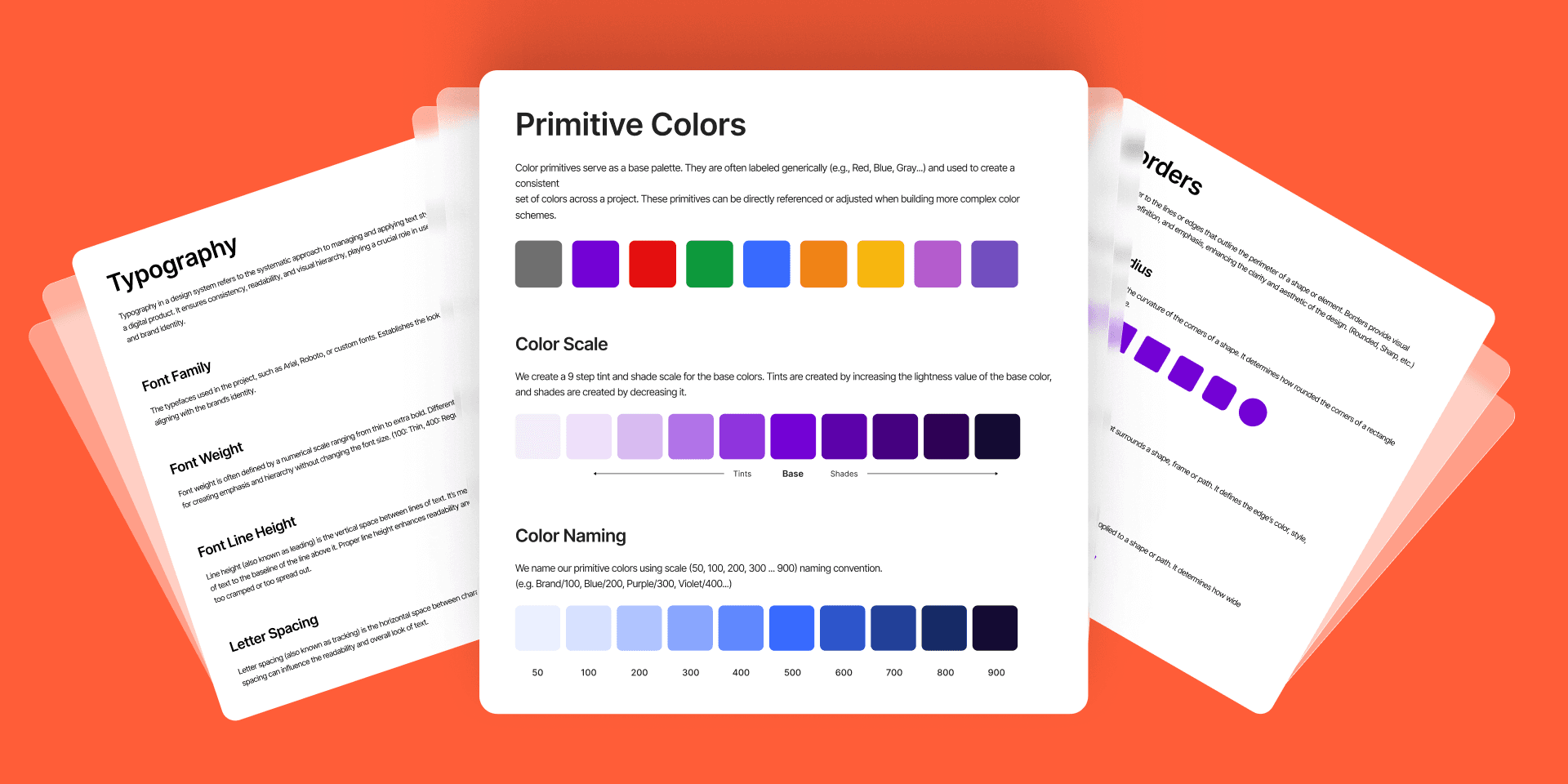
Transparency became a key principle. Everyone at Make could see what we were building, give feedback, and influence priorities. At the same time, I stayed directive about where the system was going and what belonged inside it. We hosted workshops to onboard designers, introduced documentation in Supernova, created small quality-of-life automations like the icon request flow, and worked closely with developers to turn design intent into reliable production code.
03
//Results
Results.
The rebuild changed how teams worked. In the old system, designers made around 800 to 1,000 component inserts each month. Today, that number is between 14,000 and 16,000, with only a 2% detachment rate. The system now drives every feature at Make because teams trust it, understand it, and can move faster with a shared foundation.
Now we are entering the next chapter: turning that foundation into an AI-first design system. Because the token structure, component logic, and documentation are becoming more structured, agents can understand the system with context — how tokens should be used, how old interfaces should migrate, when to create tickets, and how to generate useful documentation for developers. What started as a rebuild of visual consistency is becoming intelligent design infrastructure.


03
//Contact
LET'S TALK
Let's Work
TOGETHER.
I'm passionate about design and always eager to keep learning and growing. Let's make something amazing together!
I'm passionate about design and always eager to keep learning and growing.
Let's make something amazing together!
I've collaborated with individuals, startups, and corporations, adapting to diverse needs and environments.
By blending creativity with strategic thinking, I deliver compelling solutions that meet project goals and enhance stakeholder engagement.
I've collaborated with individuals, startups, and corporations, adapting to diverse needs and environments. By blending creativity with strategic thinking, I deliver compelling solutions that meet project goals and enhance stakeholder engagement.
LOCAL/
3:39:29 PM
Daniel Munzar © 2026
LOCAL/
3:39:29 PM
Daniel Munzar © 2026
Make.com
Design System
Rebuilding Make’s design system from a fragmented foundation into a scalable product language — and now evolving it into an AI-first system for faster adoption, migration, and documentation. Make’s design system started as a fragmented foundation. Components were inconsistent, tokens lacked structure, and teams were solving the same problems in different ways. My first challenge was to rebuild trust in the system: create a scalable token architecture, modernize core components, improve documentation, and make the system reliable enough for designers and developers to use every day.
Timeline
2024 - Current
Role
Design Lead
Team
4 Devs
//Challenges
01
Challenges.
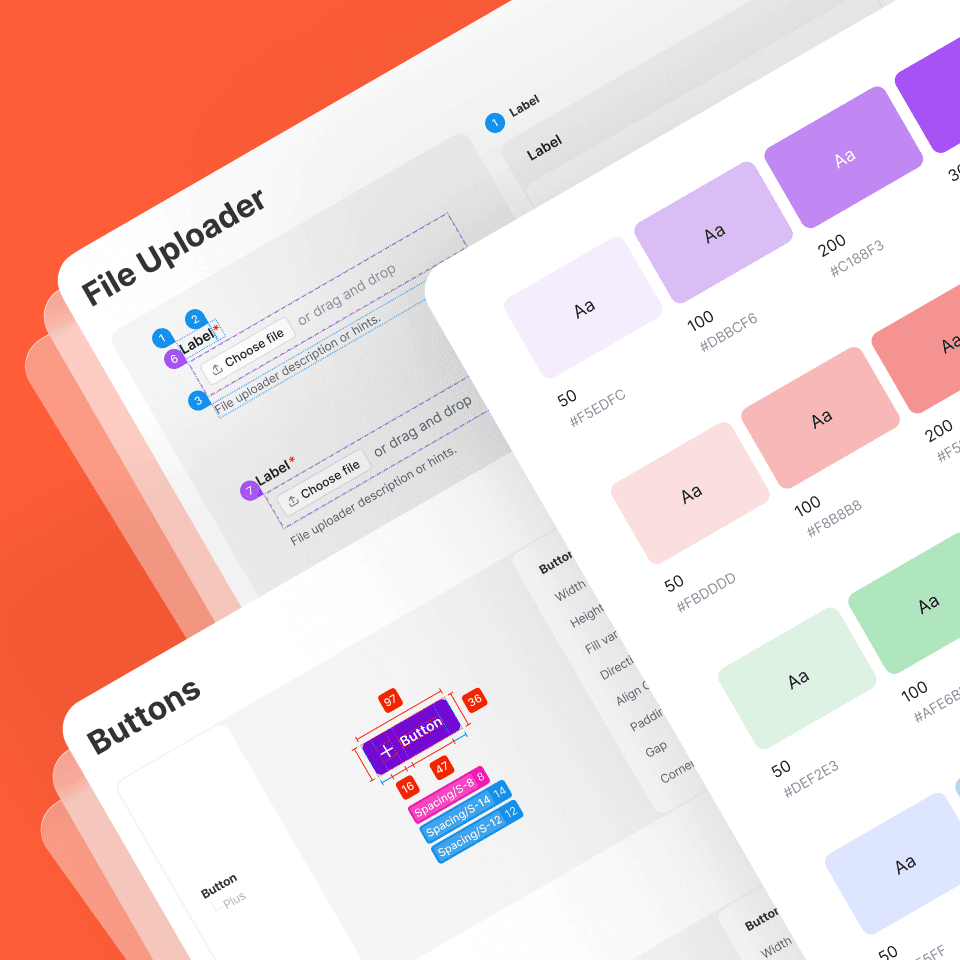
Before the rebuild, the experience was fragmented. Designers were recreating components from scratch, losing hours on patterns that should have been shared across the product. Developers faced the same frustration in code: custom elements, mixed colors, missing accessibility, and unclear guidance around what belonged in the system. There was no shared roadmap, no clear ownership, and no reliable source of truth. The existing design system felt outdated and disconnected from what Make had become.
In the end, users felt that inconsistency every day — across flows, surfaces, and product teams.
//Solutions
02
Solutions.
When I took over the design system, it was my first time leading a project of this scale. I made plenty of wrong turns early on, but each one helped me understand what it really means to build a system that can grow. The first chapter was about rebuilding the foundation: restructuring the token architecture, redesigning core components, improving accessibility, and creating a visual language that felt modern, flexible, and ready for the next stage of Make’s product.
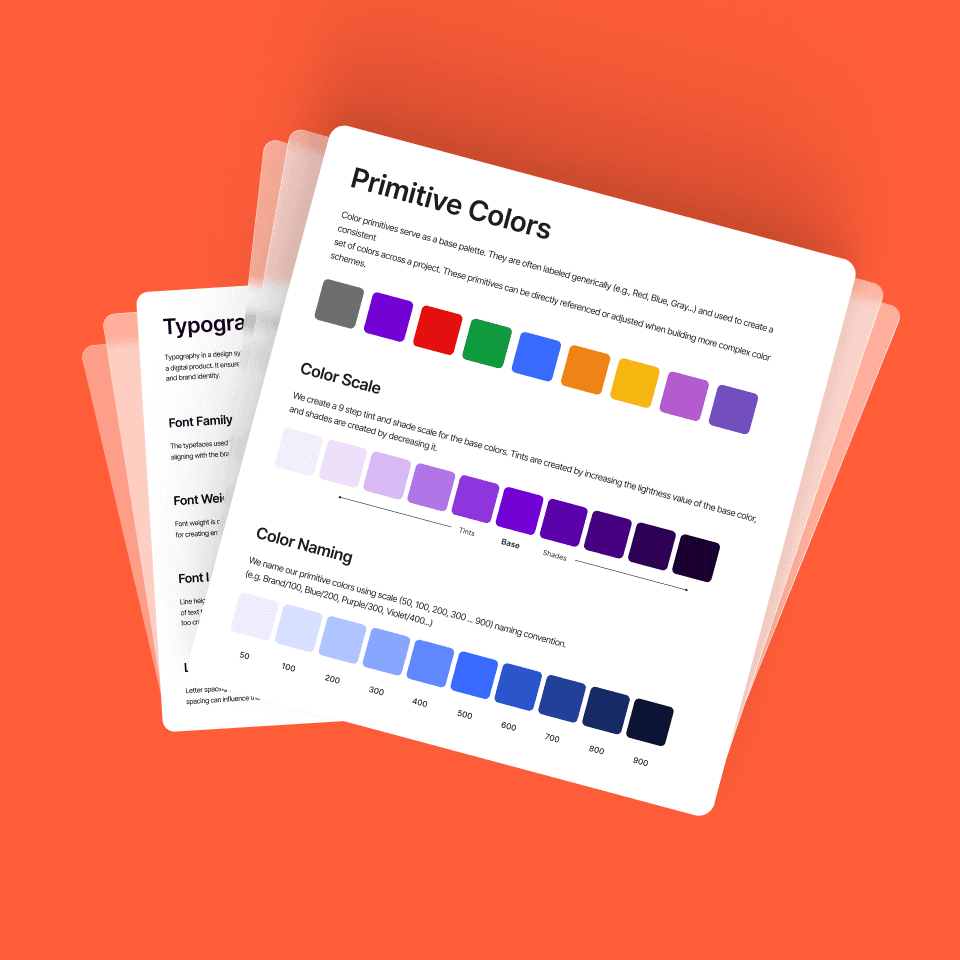
Transparency became a key principle. Everyone at Make could see what we were building, give feedback, and influence priorities. At the same time, I stayed directive about where the system was going and what belonged inside it. We hosted workshops to onboard designers, introduced documentation in Supernova, created small quality-of-life automations like the icon request flow, and worked closely with developers to turn design intent into reliable production code.
//Results
03
Results.
The rebuild changed how teams worked. In the old system, designers made around 800 to 1,000 component inserts each month. Today, that number is between 14,000 and 16,000, with only a 2% detachment rate. The system now drives every feature at Make because teams trust it, understand it, and can move faster with a shared foundation.
Now we are entering the next chapter: turning that foundation into an AI-first design system. Because the token structure, component logic, and documentation are becoming more structured, agents can understand the system with context — how tokens should be used, how old interfaces should migrate, when to create tickets, and how to generate useful documentation for developers. What started as a rebuild of visual consistency is becoming intelligent design infrastructure.
//Contact
LET'S TALK
Let's Work
TOGETHER.
I'm passionate about design and always eager to keep learning and growing. Let's make something amazing together!
I've collaborated with individuals, startups, and corporations, adapting to diverse needs and environments.
By blending creativity with strategic thinking, I deliver compelling solutions that meet project goals and enhance stakeholder engagement.
3:39:29 PM
LOCAL/
Daniel Munzar © 2026
Make.com
Design System
Rebuilding Make’s design system from a fragmented foundation into a scalable product language — and now evolving it into an AI-first system for faster adoption, migration, and documentation. Make’s design system started as a fragmented foundation. Components were inconsistent, tokens lacked structure, and teams were solving the same problems in different ways. My first challenge was to rebuild trust in the system: create a scalable token architecture, modernize core components, improve documentation, and make the system reliable enough for designers and developers to use every day.
Timeline
2024 - Current
Role
Design Lead
Team
4 Devs
//Challenges
01
Challenges.
Before the rebuild, the experience was fragmented. Designers were recreating components from scratch, losing hours on patterns that should have been shared across the product. Developers faced the same frustration in code: custom elements, mixed colors, missing accessibility, and unclear guidance around what belonged in the system. There was no shared roadmap, no clear ownership, and no reliable source of truth. The existing design system felt outdated and disconnected from what Make had become.
In the end, users felt that inconsistency every day — across flows, surfaces, and product teams.
//Solutions
02
Solutions.
When I took over the design system, it was my first time leading a project of this scale. I made plenty of wrong turns early on, but each one helped me understand what it really means to build a system that can grow. The first chapter was about rebuilding the foundation: restructuring the token architecture, redesigning core components, improving accessibility, and creating a visual language that felt modern, flexible, and ready for the next stage of Make’s product.
Transparency became a key principle. Everyone at Make could see what we were building, give feedback, and influence priorities. At the same time, I stayed directive about where the system was going and what belonged inside it. We hosted workshops to onboard designers, introduced documentation in Supernova, created small quality-of-life automations like the icon request flow, and worked closely with developers to turn design intent into reliable production code.
//Results
03
Results.
The rebuild changed how teams worked. In the old system, designers made around 800 to 1,000 component inserts each month. Today, that number is between 14,000 and 16,000, with only a 2% detachment rate. The system now drives every feature at Make because teams trust it, understand it, and can move faster with a shared foundation.
Now we are entering the next chapter: turning that foundation into an AI-first design system. Because the token structure, component logic, and documentation are becoming more structured, agents can understand the system with context — how tokens should be used, how old interfaces should migrate, when to create tickets, and how to generate useful documentation for developers. What started as a rebuild of visual consistency is becoming intelligent design infrastructure.
//Contact
LET'S TALK
Let's Work
TOGETHER.
I'm passionate about design and always eager to keep learning and growing. Let's make something amazing together!
I've collaborated with individuals, startups, and corporations, adapting to diverse needs and environments. By blending creativity with strategic thinking, I deliver compelling solutions that meet project goals and enhance stakeholder engagement.
3:39:29 PM
LOCAL/
Daniel Munzar © 2026
Make.com
Design System
Rebuilding Make’s design system from a fragmented foundation into a scalable product language — and now evolving it into an AI-first system for faster adoption, migration, and documentation. Make’s design system started as a fragmented foundation. Components were inconsistent, tokens lacked structure, and teams were solving the same problems in different ways. My first challenge was to rebuild trust in the system: create a scalable token architecture, modernize core components, improve documentation, and make the system reliable enough for designers and developers to use every day.
Timeline
2024 - Current
Role
Design Lead
Team
4 Devs
//Challenges
01
Challenges.
Before the rebuild, the experience was fragmented. Designers were recreating components from scratch, losing hours on patterns that should have been shared across the product. Developers faced the same frustration in code: custom elements, mixed colors, missing accessibility, and unclear guidance around what belonged in the system. There was no shared roadmap, no clear ownership, and no reliable source of truth. The existing design system felt outdated and disconnected from what Make had become.
In the end, users felt that inconsistency every day — across flows, surfaces, and product teams.
//Solutions
02
Solutions.
When I took over the design system, it was my first time leading a project of this scale. I made plenty of wrong turns early on, but each one helped me understand what it really means to build a system that can grow. The first chapter was about rebuilding the foundation: restructuring the token architecture, redesigning core components, improving accessibility, and creating a visual language that felt modern, flexible, and ready for the next stage of Make’s product.
Transparency became a key principle. Everyone at Make could see what we were building, give feedback, and influence priorities. At the same time, I stayed directive about where the system was going and what belonged inside it. We hosted workshops to onboard designers, introduced documentation in Supernova, created small quality-of-life automations like the icon request flow, and worked closely with developers to turn design intent into reliable production code.
//Results
03
Results.
The rebuild changed how teams worked. In the old system, designers made around 800 to 1,000 component inserts each month. Today, that number is between 14,000 and 16,000, with only a 2% detachment rate. The system now drives every feature at Make because teams trust it, understand it, and can move faster with a shared foundation.
Now we are entering the next chapter: turning that foundation into an AI-first design system. Because the token structure, component logic, and documentation are becoming more structured, agents can understand the system with context — how tokens should be used, how old interfaces should migrate, when to create tickets, and how to generate useful documentation for developers. What started as a rebuild of visual consistency is becoming intelligent design infrastructure.
//Contact
LET'S TALK
Let's Work
TOGETHER.
I'm passionate about design and always eager to keep learning and growing. Let's make something amazing together!
I've collaborated with individuals, startups, and corporations, adapting to diverse needs and environments. By blending creativity with strategic thinking, I deliver compelling solutions that meet project goals and enhance stakeholder engagement.
3:39:29 PM
LOCAL/
Daniel Munzar © 2026